Monopoly: The Game that Changed Everything
Monopoly, the iconic board game synonymous with capitalism and real estate empires, has held a unique position in popular culture for over eight decades. A game that started in the early 20th century has evolved over the years to become not just a household staple but a medium for cultural commentary and a litmus test for economic understanding.
The Birth of Monopoly
Created during the Great Depression, Monopoly was introduced by Parker Brothers in 1935.Today, it stands as the most licensed and adapted board game globally. Its inception can be traced back to an original design by Lizzie Magie, who sought to illustrate the economic consequences of land monopolism.
The Gameplay: Why It's Everlasting
The primary aim in Monopoly is simple: acquire properties, build houses and hotels, and bankrupt opponents. The allure lies in its blend of strategy, luck, and a touch of ruthlessness. Players traverse a rectangular board, buying and developing properties in an attempt to dominate the game's economy.
The strategic depth involves calculated investments and negotiations, where decision-making is crucial. Despite changes in society and technology, Monopoly's core appeal remains unchanged, fostering family interactions and competitive spirit.
Expanding the Monopoly Universe
Over the years, Monopoly has expanded through countless specialized editions and adaptations. These range from city-specific versions to those inspired by popular movies, television shows, and even video game characters.
Monopoly and Modern Variants
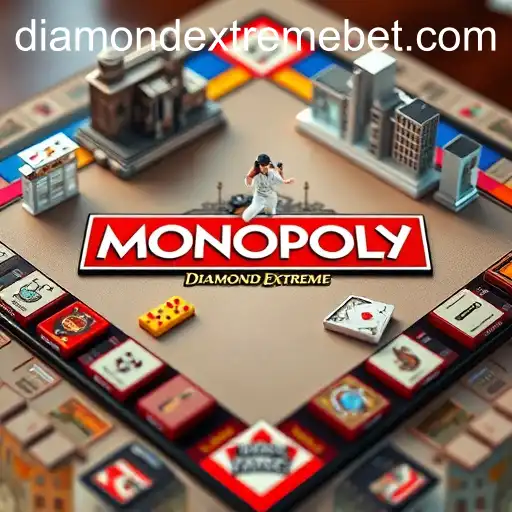
Among the myriad adaptations, Monopoly: Diamond Extreme stands out as a notable mention. While thorough details about the Diamond Extreme version aren't widely publicized, its name suggests a luxurious twist on the classic game, potentially featuring premium materials and exclusive content.
This variant augments the basic premise with enhancements or thematic additions to engage players in a fresh yet familiar experience. The presence of Diamond Extreme adds an aura of extravagance and elevated status, aligning with the game's intrinsic themes of wealth and opulence.
The Cultural Impact of Monopoly
Monopoly's influence extends beyond the realm of tabletop gaming. It's a tool for education in economics, teaching fundamental concepts of financial management, property investment, and market monopolies. The term "Monopoly money" has even infiltrated everyday language, illustrating its cultural saturation.
Moreover, Monopoly serves as a commentary on wealth disparity and can be a catalyst for discussions about capitalism's implications on society. It harmoniously blends entertainment with real-life lessons, making it a perennial favorite.
Engagement Beyond the Board
Monopoly's digital adaptation through apps and online platforms captures the interest of tech-savvy consumers. These modern versions retain the charismatic allure of the board game while offering convenient access and novel gameplay elements.
Collaboration with multimedia franchises and incorporating augmented reality features have opened new avenues for engaging audiences, ensuring Monopoly's relevance in the digital age. The Diamond Extreme edition could potentially harness these innovative elements to redefine the classic gameplay experience.
The Future of Monopoly
While traditional board games often face challenges in contemporary markets, Monopoly consistently evolves and adapts to changing consumer preferences. The introduction of editions like Diamond Extreme indicates efforts to capture more niche segments, catering to luxury enthusiasts and collectors alike.
This adaptability ensures Monopoly's longevity, as it continuously reinvents itself. Future iterations are likely to blend technology with classic gameplay, offering hybrid experiences that resonate with both nostalgic players and younger audiences.
With every new edition, Monopoly not only refreshes its brand but also reaffirms its place as a cultural mainstay. Its impact is indelible, turning each roll of the dice into a microcosm of economic conquest and strategic victory.